A breakthrough in hobbyist engineering has resurrected the haunting sound of steam-era train whistles—without a boiler in sight. A hobbyist known as AeroKoi has successfully designed and 3D-printed functional multi-chime whistles that produce authentic, full-scale sounds using compressed air at 120 PSI.
“The prints held together and sounded amazing,” AeroKoi reported, demonstrating that plastic components can withstand the intense pressure without cracking. The whistles, modeled after historic railroad designs from the Santa Fe and Northern Pacific lines, are now available to download on Thingiverse.
The Designs and the Science Behind Them
AeroKoi’s two successful designs include a 6-chime Santa Fe whistle and a 5-chime Northern Pacific whistle, each 4 inches in diameter and printed in vertically sectioned parts. A Union Pacific “Big Boy” whistle was also tested but not released due to lower satisfaction with the sound.
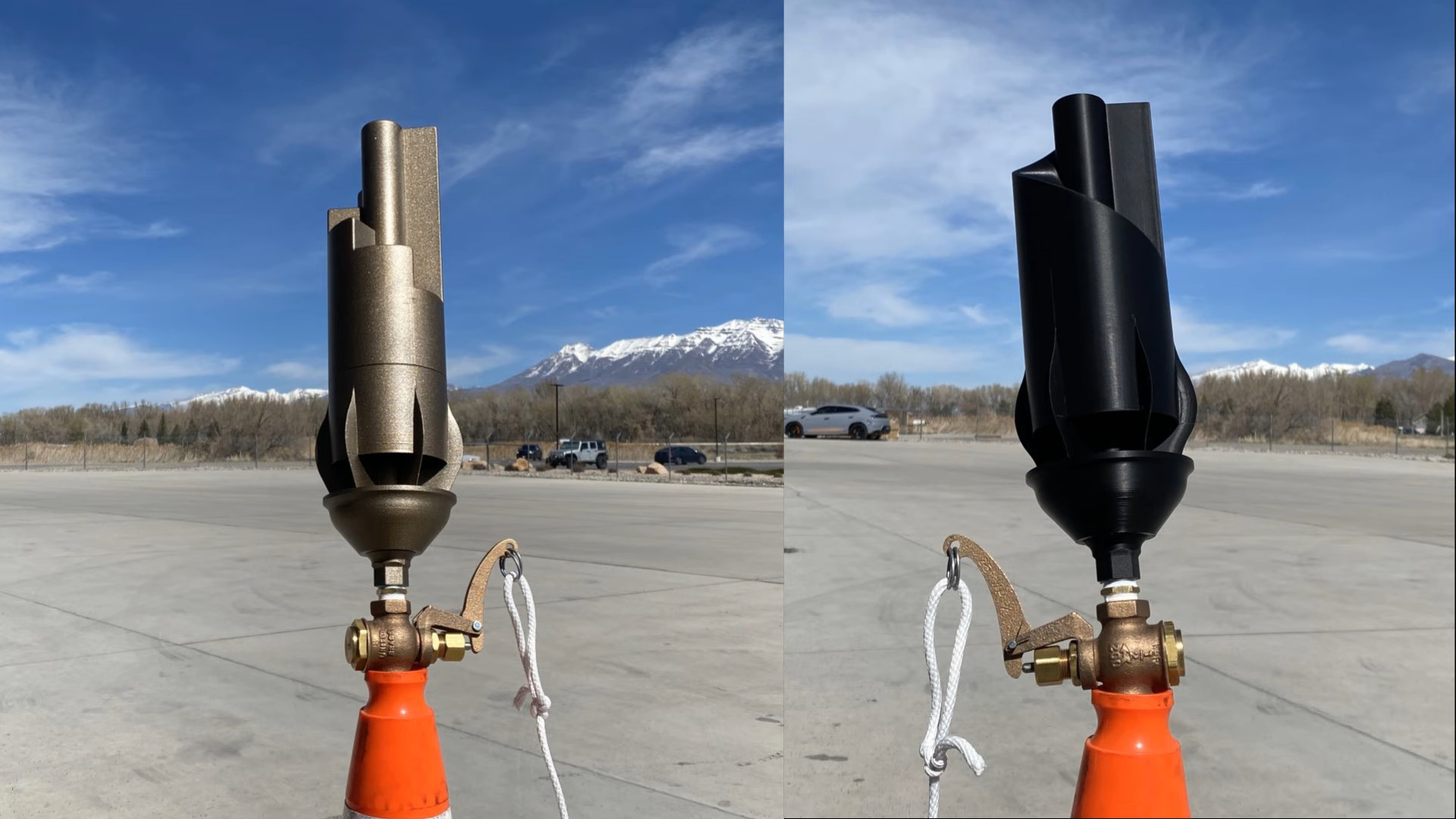
“There was a learning curve,” AeroKoi noted, explaining that features like chamber geometry and air channel precision were critical to achieving clear, powerful notes. Early experiments even hinted at replicating European whistle tones.
Background
Traditional steam whistles rely on live steam from a boiler to produce sound, a method that is both expensive and dangerous for hobbyists. Compressed air has long been used as a substitute for brass whistles, and AeroKoi’s project extends that principle to additive manufacturing.
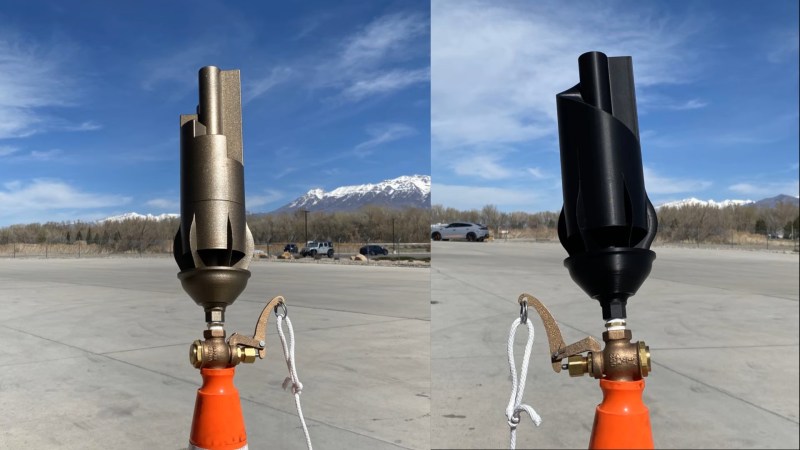
While plastic may seem an unlikely material for high-pressure sound devices, the combination of careful design and modern filament strength has proven effective. The project echoes earlier DIY efforts, such as a train-whistle doorbell featured on this site.
What This Means
This development democratizes access to historically accurate train sounds. Hobbyists can now produce custom whistles at a fraction of the cost of cast-brass originals, and the technique can be adapted to any railroad design—North American, European, or otherwise.
“If you want a perfect replica, the old ways are best: cast brass and live steam,” AeroKoi acknowledges, but for many enthusiasts, a 3D-printed version that runs on an air compressor offers a practical and rewarding alternative. The project also highlights the potential of additive manufacturing for other high-pressure acoustic applications.