V3u.putty PDocsScience & Space
Related
5 Stunning Mars Panoramas Revealed by NASA's Twin RoversHidden 200-Kilometer-Thick Continent Beneath the U.S. Could Magnify Solar Storm Threats to Power GridsTravel Could Slow Biological Aging, New Research RevealsThe Science Behind Ghostly Encounters: How Infrasound Shapes Perceptions of Hauntings10 Key Insights into Long-Term Memory for Video World Models Using State-Space ModelsWidespread Silicone-Based Air Pollutants: New Research Reveals Surprising Sources and Health ConcernsIreland Joins Artemis Accords: A New Chapter in International Space CooperationDecoding Related-Party Transactions: A Comprehensive Guide to Tesla’s $573 Million Corporate Web

Flight Research at NASA Armstrong: 10 Key Developments and Capabilities

Last updated: 2026-05-08 02:57:05 · Science & Space
Flight Research at NASA Armstrong: 10 Key Developments and Capabilities
Source: www.nasa.gov

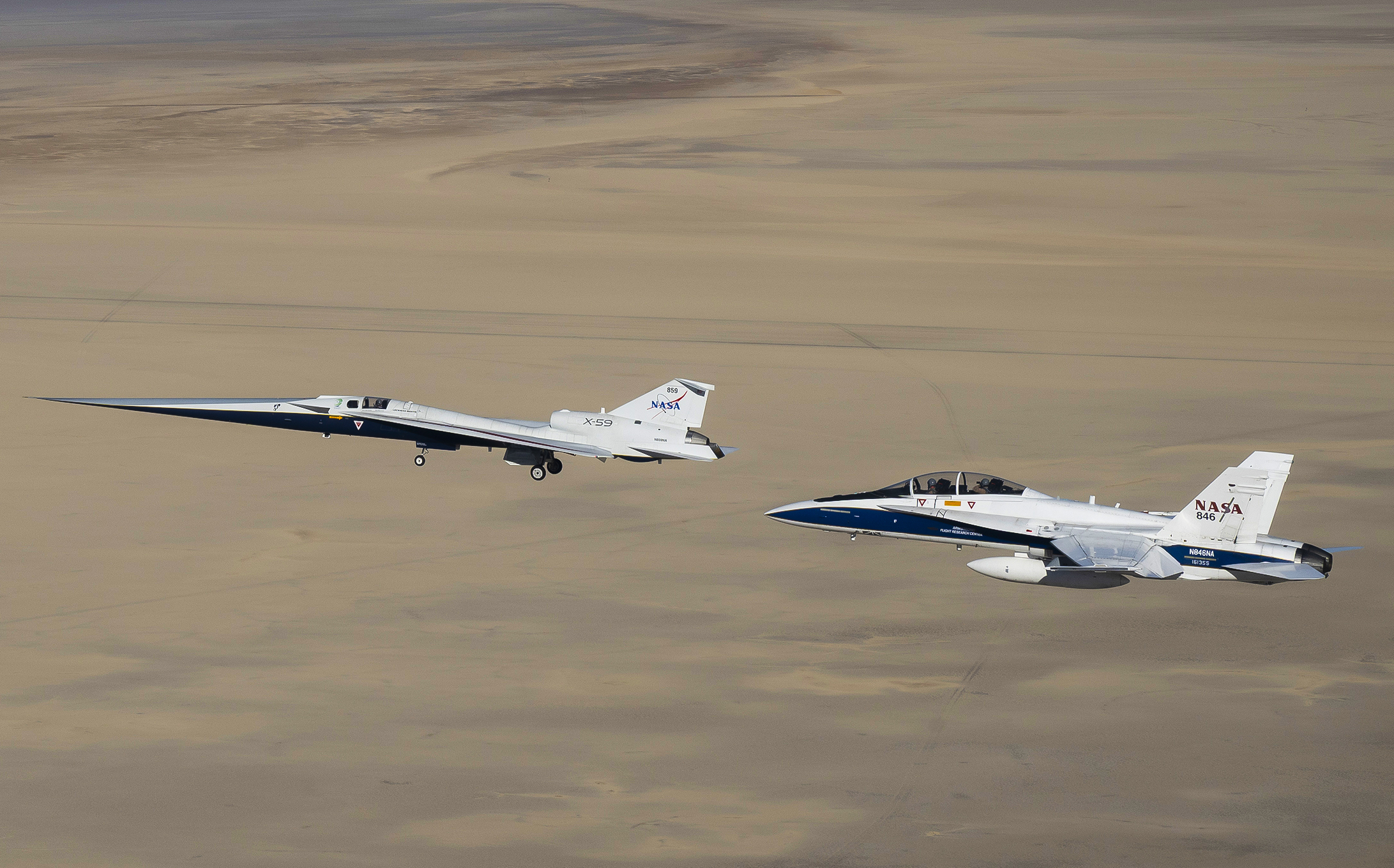
Welcome to the heart of experimental aviation: NASA’s Armstrong Flight Research Center in California’s Mojave Desert. For nearly eight decades, this facility has been at the forefront of aerospace innovation, carrying forward the legacy of pioneers like Neil Armstrong. Today, Armstrong is expanding its fleet with new aircraft—from supersonic jets to versatile turboprops—while continuing to support critical airborne science and aeronautics test missions. The center’s unique blend of skilled personnel, state-of-the-art infrastructure, and a storied past makes it a vital hub for global research. Dive into these 10 essential facts to understand how Armstrong is shaping the future of flight.

Flight Research at NASA Armstrong: 10 Key Developments and Capabilities
Source: www.nasa.gov